
When Friends Lead You Astray: How to Talk to Teens about Peer Pressure
Growing up is like walking through a bright, open garden, full of different colour, new experiences, and many exciting paths to explore. For many teenagers, they get carried away with closeness to their friends and these friends sometimes become the guides they follow, even when those guides sometimes lead them in the wrong direction. Peer pressure is one of the strongest forces shaping teen decisions today, and if not quickly and adequately addressed early, it can pull a young person far from their vision values, dreams, and identity. The negative impact of peer pressure is worrisome
As parents, teachers, or caregivers, when you take out time to have a good conversation with teens about peer pressure , you are providing them one of the greatest gifts that will be highly helpful to them as they journey toward adulthood.
Understanding Peer Pressure:
Peer pressure happens when teenagers feel pushed,directly or indirectly, by friends or classmates to act, behave, or think in a certain way. Almost every adolescent will experience it at some point, making it a shared part of growing up. It often comes quietly, sometimes not easily noticed. It can be likened to a soft wind nudging a door open before you realize it.
It may come as:
Direct pressure: A friend or close neighbor openly encouraging them to try something risky
Indirect pressure: These can be quiet pressures, like hints, comparisons, popular trends, or group expectations, that make a teenager have a worrisome feeling that they just have to find a way to fit in to be accepted.
Teens are especially sensitive to these influences because of their strong desire for connection and acceptance.
The Reality in Nigeria: A Generation Under Pressure
The pressure facing Nigerian youth today is different from what the youths in the 70’s and 80s experienced. Young Nigerians in this digital age often feel intense expectations to succeed, not just academically but socially and personally. Some of them have the feeling that if they are not using the most current Gadgets then they are been left behind. This pressure can contribute to stress, anxiety, and avoidable emotional struggles. Studies confirm that peer group pressure significantly influences adolescents’ social adjustment in Nigerian schools, affecting everything from academic performance to other important areas of life . The pressure is real and happening in communities across the country.
The Risks of Negative Peer Pressure:
While positive peer influence can encourage teens to learn, improve, and build healthy confidence, sadly , negative peer pressure often pulls them in the opposite direction. It can create emotional stress, weaken their self-esteem, and push them toward behaviours they would normally avoid. Over time, this kind of pressure can affect their decision-making, relationships, and overall well-being, making it harder for them to stay true to who they are.
Negative peer pressure can lead to serious emotional and behavioural challenges, and these effects often appear in different ways as shown below.
Mental Health Struggles:
When a teenager is constantly trying to fit into a particular social status that ordinarily he or she needs not to have as a priority, it can result in internal conflict, stress, fear, and low self-worth. Some teens do feel they must always measure up to their friends’ standards at all times , losing touch with their authentic selves. If this is unchecked , over time, this can lead to anxiety, depression, and low self-esteem.
Substance Abuse
Teens may feel pressured to experiment with drugs, alcohol, or cigarettes to appear brave, cool, or accepted by their circle. Some join in because they don’t want to be mocked or left out. Others feel they must go along just to keep certain friends they are very close to . With time, these choices can become habits that are hard to break.
Risky Behaviors
Negative peer influence can also encourage bullying, cyberbullying, sneaking out, lying, academic dishonesty, or unsafe sexual activities. Negative peer influence doesn’t just affect decisions, it shapes identity. When a teen repeatedly acts against their values to please others, they begin to lose sight of who they truly are. This can negatively affect their Visions and Big dreams
The Amplifying Role of Social Media

If physical peer pressure is a whisper, social media is a very loud shout. Teens compare themselves to edited photos, curated lifestyles, and unrealistic standards online. This can create:
- Low self-esteem caused by constant comparison with others.
- Increased anxiety and a lingering sense of not being good enough.
- Feeling pushed to act in ways that don’t match their true values.
- Fear of missing out (FOMO), which keeps them stuck on their phones and social media.
The online world never sleeps, and neither does the pressure that comes with it.
Facing Peer Pressure: Many Teens’ Story:
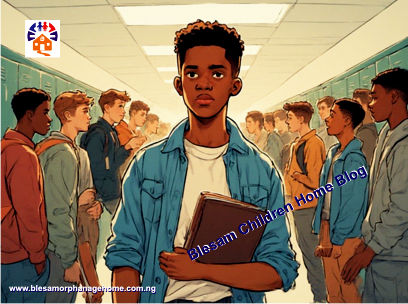
Many teens face pressure from their close friends to act, behave, or make choices that don’t reflect their true values. This pressure can come in many forms, subtle hints, social media trends, or the desire to fit in with a group. For example, a teen might feel pushed among his or her circle of friends to join a social media challenge that spreads rumors, skip school, or try substances because “everyone else is doing it.” It can feel like a storm of voices telling them who to be or what to do.
But here’s the lesson: resisting peer pressure is not impossible. Teens who pause, reflect, and make decisions based on their values often find stronger friendships and greater self-confidence. Choosing to say “no” doesn’t mean isolation.it can lead to finding peers who respect and support who they truly are.
This shows us that peer pressure doesn’t have to define a teen’s path. With guidance, encouragement, and the ability to stand by their values, teens can navigate social pressures and make choices that honor themselves, not just their friends’ expectations. It is achievable.
How to Support Teens Through Peer Pressure
Encourage Open Communication
If you really want to support Teens , you can create a safe, judgment-free space where teenagers can talk freely. With this kind of environment you can have a productive conversation with them. You can ask questions like: “How do you feel about that?” or “What do you think you should do?”
Remember: If they feel from the tone of the conversation that you are judging them, they will shut the door and become unresponsive . Empathy helps to open up conversation with
Reinforce Personal Values:
Help teens decide what they stand for early on. Their values become their compass when friends try to lead them astray. Ask them:
- What kind of person do you want to be?
- What matters most to you in life?
- How do you want to be remembered?
Teens who have been able to build strong internal beliefs are significantly less influenced by negative peer pressure.They have the capacity to overcome peer-pressure.
Build Their Self-Confidence
Celebrate achievements, big and small. Encourage them to explore new interests, develop skills, and discover what they’re good at. Confidence protects teens from negative influences better than any lecture ever could.
Surround Them With Positive Peer Groups
Support involvement in healthy communities where positive peer influence thrives, such as:
- Youth clubs and organizations
- Sports teams and fitness groups
- Creative arts programs (music, dance, drama, visual arts)
- Science and technology clubs
- Faith-based youth groups
- Community service and volunteer opportunities
Teach Practical Resistance Skills
Role-play difficult scenarios at home. Practice saying “no” in ways that feel comfortable and natural. Teach them phrases like:
- That’s not really my thing
- I’m good, thanks
- My parents would kill me, not worth it
- I’ve got something else going on
Sometimes teens know they should say no, they just don’t know how to say it without feeling awkward.
Signs a Teen Is Struggling With Peer Pressure
- Carefully watch out for these warning signs:
- Irritability or unexplained anger
- Physical complaints like headaches or stomach pain
- Changes in friend groups
- Drop in academic performance
- Sudden mood or behavior changes
- Withdrawal from family
- Declining interest in hobbies
- Secrecy or defensiveness
These may be stress signals linked to negative influence.
Quick Quiz: Test Your Understanding of Teen Peer Pressure
(Try to finish all the questions before peeking at the answers, you might surprise yourself!)
- What is peer pressure?
- Influence from parents
- Influence from friends or social equals
- Influence from teachers
- Influence from social media alone
- Which of the following is an example of direct peer pressure?
- A friend hinting through body language
- A friend posting pictures online
- A friend openly telling you to try something risky
- Seeing trends on social media
- What mental health challenge can result from negative peer pressure?
- Increased happiness
- Reduced curiosity
- Anxiety and depression
- Better academic scores
- What role does social media play in peer pressure?
- It reduces pressure
- It has no influence
- It amplifies peer pressure
- It stops comparison
- Which of these is a helpful strategy for supporting teens?
- Criticizing their choices
- Encouraging open communication
- Ignoring their struggles
- Limiting all friendships
- Which is a possible sign that a teen is struggling with peer pressure?
- Increased participation in family activities
- Sudden changes in mood or behavior
- Consistent confidence and calmness
- Taking on new hobbies joyfully
- According to the article’s conclusion, what can teens do when facing peer pressure?
- Always follow their friends
- Make choices that honor who they truly are
- Avoid making any friends
- Hide their struggles from everyone
Answers
- B
- C
- C
- C
- B
- B
- B
The Path Forward: A Message of Hope
Peer pressure will always be a part of the teenage journey, but with steady guidance, genuine support, and open conversations, teens can learn to stay grounded even when everything around them feels confusing or overwhelming. A teenager’s heart is like rich soil, when you plant the right seeds of wisdom, love, and confidence, you help them grow into the person they were truly meant to be.